Undercover Probe Exposes Dangerous Baby Sleep Advice from 'Experts'
A shocking BBC investigation has uncovered how self-proclaimed infant sleep experts are dispensing advice that medical professionals warn could seriously harm or even kill babies. Undercover filming revealed recommendations contradicting established safe sleep guidelines, raising urgent questions about unregulated parenting advice. This exposé highlights the critical need for parents to rely on evidence-based medical guidance for infant care.
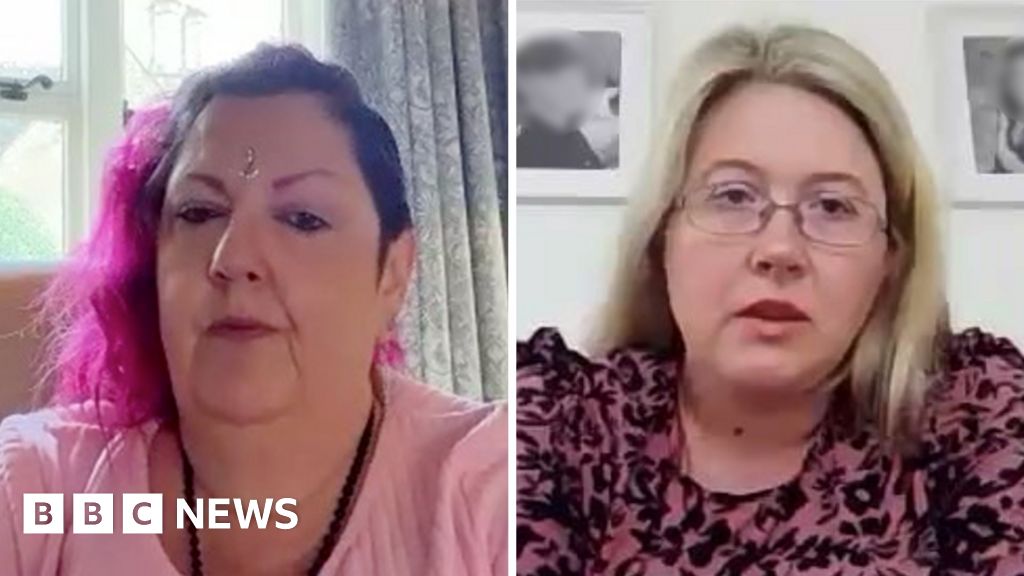
In the vulnerable, often sleep-deprived world of new parenthood, the promise of a full night's rest can be an irresistible siren song. Unfortunately, a recent BBC investigation has unveiled a disturbing reality: some self-described infant sleep experts are offering advice that medical professionals unequivocally state could put babies at serious risk of harm, even death. This exposé sends a chilling warning to parents globally, highlighting the perilous landscape of unregulated online and private parenting guidance.
The Alarming Undercover Revelation
The BBC's investigation involved secret filming, which captured one such 'expert' advising a reporter to place a newborn to sleep in a manner that directly contravenes established safe sleep guidelines. This included suggestions that could lead to suffocation, overheating, or Sudden Infant Death Syndrome (SIDS). The specific details, while harrowing, underscore a broader problem: the proliferation of unqualified individuals presenting themselves as authorities on infant care, often leveraging social media and personal testimonials to build their platforms.
Medical professionals, including pediatricians and sleep specialists, have reacted with alarm. They emphasize that advice encouraging practices like co-sleeping in unsafe environments, using certain sleep positioners, or implementing strict sleep training methods too early can have catastrophic consequences. The investigation brought to light a stark disconnect between evidence-based medical consensus and the often-anecdotal, sometimes dangerous, recommendations offered by these 'experts'.
The Science of Safe Sleep: A Historical Perspective
The understanding of safe infant sleep has evolved significantly over the past few decades, largely driven by rigorous scientific research and public health campaigns. Prior to the 1990s, SIDS was a leading cause of infant mortality, and many parents were unknowingly following practices that increased risk. The groundbreaking 'Back to Sleep' campaign (later 'Safe to Sleep' in the US, and similar initiatives globally) revolutionized infant care. Launched in the early 1990s, these campaigns advocated for placing infants on their backs to sleep, in a crib or bassinet in the parents' room, free of loose bedding, bumpers, or soft toys.
Key Safe Sleep Guidelines: * Back to Sleep: Always place infants on their back for every sleep, day and night. * Firm Sleep Surface: Use a firm, flat mattress in a safety-approved crib or bassinet. * No Loose Bedding: Keep the sleep area clear of blankets, pillows, bumpers, and soft toys. * Room Sharing, Not Bed Sharing: Keep the baby's sleep area in the parents' bedroom, but not in the same bed. * Avoid Overheating: Dress the baby lightly and keep the room at a comfortable temperature. * No Smoking: Avoid exposure to smoke during pregnancy and after birth. * Breastfeeding: Studies suggest breastfeeding is associated with a reduced risk of SIDS.
These guidelines are not arbitrary; they are the result of extensive epidemiological studies and clinical trials, demonstrating a dramatic reduction in SIDS rates when widely adopted. For instance, in the UK, SIDS rates plummeted by over 70% following the 'Back to Sleep' campaign. Yet, the BBC investigation suggests that some 'experts' are either ignorant of these life-saving recommendations or, more concerningly, actively advising against them.
The Allure of Quick Fixes and the Perils of Unregulated Advice
Why do parents turn to these self-described experts? The answer often lies in the intense pressure and exhaustion inherent in new parenthood. Sleep deprivation can be debilitating, making parents vulnerable to promises of quick fixes and guaranteed results. Social media platforms, with their echo chambers and influencer culture, further amplify the reach of these individuals, often without any vetting of their credentials or the scientific basis of their advice.
Unlike medical professionals who undergo years of rigorous training, licensure, and adhere to ethical codes, the 'infant sleep expert' industry is largely unregulated. Anyone can claim the title, often after completing short, unaccredited online courses. This lack of oversight means there are no standardized qualifications, no governing bodies to ensure adherence to safe practices, and no easy recourse for parents who receive harmful advice.
Implications for Parents: * Verify Credentials: Always check the qualifications of anyone offering medical or developmental advice for your child. Look for medical degrees, certifications from recognized professional bodies, or affiliations with reputable institutions. * Cross-Reference Information: Do not rely on a single source. Consult multiple reputable medical organizations (e.g., American Academy of Pediatrics, NHS, WHO) for consistent, evidence-based information. * Trust Your Instincts (and Your Doctor): If advice feels wrong or contradicts what your pediatrician has told you, seek clarification from a medical professional. * Be Wary of 'Guarantees': Infant development is complex and highly individual. Be skeptical of anyone promising universal, rapid solutions to sleep challenges.
Expert Analysis and Future Implications
Medical professionals interviewed by the BBC expressed profound concern. Dr. Sarah Jarvis, a GP and medical journalist, highlighted the dangers of advice that contradicts established safety protocols, stating that such recommendations could have fatal consequences. Pediatricians emphasize that a baby's sleep patterns are complex and influenced by development, feeding, and individual temperament, not simply a matter of 'training'.
This investigation serves as a critical call to action. There is an urgent need for greater public awareness regarding safe sleep practices and the dangers of unregulated advice. Policymakers and regulatory bodies may need to consider how best to oversee industries that directly impact infant health and safety, particularly as online platforms continue to expand the reach of unqualified individuals.
Looking forward, the onus remains on parents to be discerning consumers of information. While the desire for sleep is understandable, it must never come at the expense of a baby's safety. The enduring message from the medical community is clear: when it comes to your baby's health, always prioritize evidence-based medical advice over the often-untested and potentially dangerous recommendations of self-proclaimed experts. The life of a child is simply too precious to gamble on unverified claims. This exposé should serve as a stark reminder that in the realm of infant care, vigilance and informed decision-making are paramount.
Stay Informed
Get the world's most important stories delivered to your inbox.
No spam, unsubscribe anytime.
Comments
No comments yet. Be the first to share your thoughts!