Zimbabwe's Economic Turnaround: A Deep Dive into Mnangagwa's US$1.2 Billion Forex Reserve Claim
Zimbabwe's President Emmerson Mnangagwa has declared the nation is on a firm recovery path, citing a stable macro-economic environment and over US$1.2 billion in foreign exchange reserves. This announcement, made during the 46th Independence Anniversary, signals a potential shift from decades of economic instability. PulseWorld examines the foundations of this asserted boom, exploring its implications for the nation's future and its citizens.
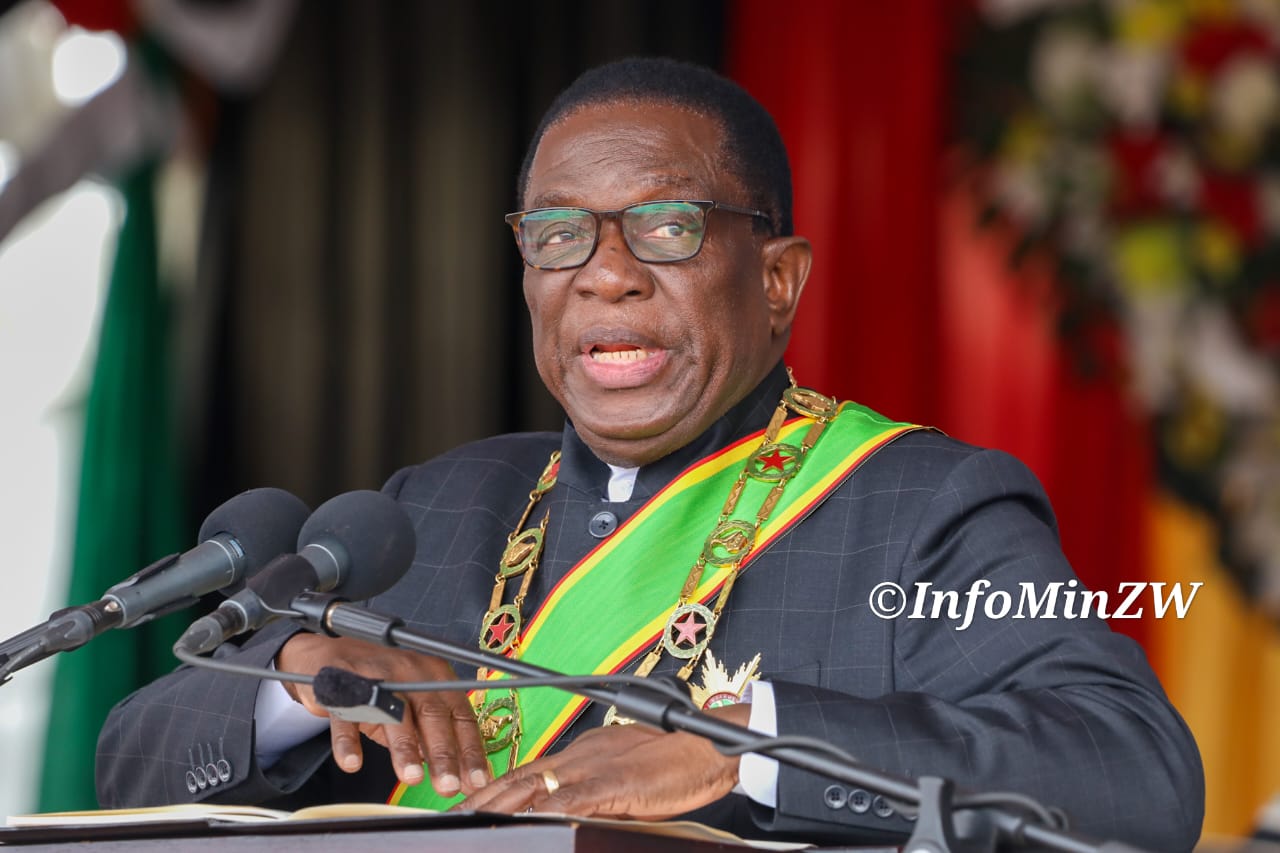
In a declaration that has sent ripples of cautious optimism and skepticism across the continent, Zimbabwean President Emmerson Mnangagwa recently proclaimed a significant economic turnaround for the Southern African nation. Addressing a jubilant crowd at Maphisa Stadium during Zimbabwe’s 46th Independence Anniversary celebrations, Mnangagwa asserted that the country was firmly on a recovery path, underpinned by a stable macro-economic environment and a robust US$1.2 billion foreign exchange reserve. This pronouncement marks a pivotal moment for a country long synonymous with economic hardship, hyperinflation, and political volatility.
For decades, Zimbabwe has grappled with a complex web of challenges, from land reform controversies to international sanctions, all contributing to a protracted economic crisis. The mere mention of a US$1.2 billion forex reserve, a figure that would have seemed unimaginable just a few years ago, invites both scrutiny and hope. PulseWorld delves into the intricacies of this claim, examining the policies and factors that may be contributing to this purported boom, and what it truly means for the average Zimbabwean.
The Foundations of the Claim: A Closer Look at Economic Reforms
President Mnangagwa's administration has, since taking power in 2017, embarked on a series of economic reforms aimed at stabilizing the volatile economy. Key among these has been efforts to curb inflation, restore fiscal discipline, and attract foreign investment. The Zimbabwe Gold (ZiG) currency, introduced in April 2024, is the latest attempt to bring stability after years of currency woes, including the highly unstable Zimbabwean dollar. The government has also focused on boosting agricultural output, particularly through programs like Command Agriculture, and revitalizing the mining sector, which remains a significant source of export earnings.
The reported US$1.2 billion in foreign exchange reserves is a critical indicator of economic health. Such reserves are essential for a country to meet its international obligations, stabilize its currency, and import essential goods. A significant increase suggests improved export performance, reduced import dependency, or successful capital inflows. Mnangagwa’s statement implies a strengthening balance of payments position, a stark contrast to the chronic forex shortages that have plagued businesses and individuals for years.
However, the source of these reserves and their sustainability are paramount questions. Are they primarily from mineral exports like gold, platinum, and diamonds, or are they a result of more diversified economic activities? The government has been vocal about its drive to formalize artisanal mining and increase production, which could contribute to official forex channels. Furthermore, improved relations with some international partners, albeit still fraught with challenges, might be facilitating greater trade and investment.
Historical Context: A Nation's Economic Rollercoaster
Zimbabwe's economic trajectory has been nothing short of a rollercoaster. Following independence in 1980, the country initially enjoyed a period of relative prosperity, often referred to as the 'jewel of Africa.' However, the late 1990s and early 2000s saw a dramatic decline, triggered by controversial land reforms that disrupted commercial agriculture, a cornerstone of the economy. This period was characterized by:
* Hyperinflation: Reaching astronomical levels, rendering the local currency worthless. * Mass emigration: A significant brain drain as skilled professionals sought opportunities abroad. * International isolation: Sanctions imposed by Western nations further crippled the economy. * Infrastructure decay: Underinvestment leading to a decline in public services.
The introduction of a multi-currency system, and later the bond notes, were stop-gap measures that failed to provide lasting stability. The current administration's narrative of a 'new dispensation' has consistently emphasized economic recovery as its top priority. The US$1.2 billion reserve figure, if verifiable and sustainable, would represent a significant departure from this troubled past, offering a glimmer of hope that the lessons from previous economic missteps are being learned.
Expert Analysis and Implications for Citizens
While the President's announcement is undoubtedly positive, economic analysts urge caution. "A US$1.2 billion reserve is a commendable milestone for Zimbabwe, especially given its recent history," says Dr. Tendai Moyo, an economist specializing in African markets. "However, the true test lies in how these reserves are managed and whether they translate into tangible improvements in the lives of ordinary citizens. We need to see sustained growth, job creation, and a reduction in poverty levels, not just headline figures."
For the average Zimbabwean, the impact of a stable macro-economic environment would be profound. It could mean:
* Lower inflation: Making goods and services more affordable and predictable. * Increased access to foreign currency: Easing import costs for businesses and reducing parallel market activities. * Job creation: As businesses gain confidence and expand. * Improved public services: Allowing the government to invest more in healthcare, education, and infrastructure.
However, challenges persist. High unemployment, particularly among the youth, remains a critical issue. The informal sector continues to dominate the economy, and access to formal credit remains limited for many. Furthermore, issues of governance, transparency, and the ease of doing business are still areas where significant progress is needed to ensure long-term, sustainable growth.
The Road Ahead: Sustaining the Momentum
President Mnangagwa’s declaration of a booming economy, anchored by significant forex reserves, sets a high bar for his administration. The immediate task will be to demonstrate that this growth is inclusive and resilient. Sustaining this momentum will require:
* Continued fiscal discipline: Avoiding excessive government spending and borrowing. * Monetary policy consistency: Building confidence in the new ZiG currency. * Diversification of the economy: Reducing over-reliance on primary commodities. * Attracting and retaining foreign direct investment: Ensuring a predictable and investor-friendly environment. * Addressing structural issues: Tackling corruption, improving infrastructure, and strengthening institutions.
The 46th Independence Anniversary served not just as a celebration of freedom, but also as a platform for the government to articulate its vision for a revitalized Zimbabwe. The US$1.2 billion forex reserve, if managed judiciously, could provide the necessary buffer to navigate global economic uncertainties and lay the groundwork for genuine, broad-based prosperity. The world will be watching closely to see if this proclaimed boom translates into a lasting legacy of stability and growth for the people of Zimbabwe.
Stay Informed
Get the world's most important stories delivered to your inbox.
No spam, unsubscribe anytime.
Comments
No comments yet. Be the first to share your thoughts!