Malaysia Extends Historic Invitation to Putin for 2027 State Visit: A Deep Dive into Geopolitical Shifts
Sultan Ibrahim of Malaysia has extended a significant invitation to Russian President Vladimir Putin for a state visit in 2027, marking a pivotal moment in bilateral relations. This move comes as both nations prepare to celebrate 60 years of diplomatic ties, signaling a potential recalibration of Malaysia's foreign policy amidst global geopolitical shifts. The invitation underscores Malaysia's commitment to an independent foreign policy and its growing engagement with non-Western powers.
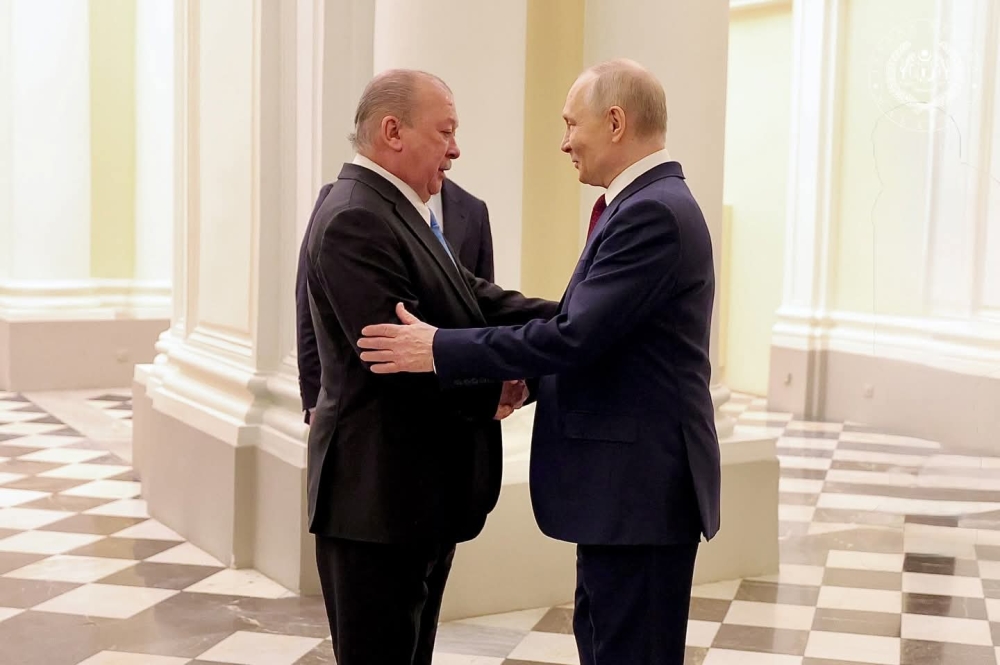
The world watches with keen interest as Sultan Ibrahim, King of Malaysia, extends a formal invitation to Russian President Vladimir Putin for a state visit to Malaysia in 2027. This diplomatic overture, reported by Sputnik/RIA Novosti, is not merely a courtesy but a strategically significant move, coinciding with the 60th anniversary of diplomatic relations between Kuala Lumpur and Moscow. It signals a deepening of ties and a potential recalibration of Malaysia's foreign policy in an increasingly multipolar world.
A New Era of Bilateral Engagement
The invitation from Sultan Ibrahim to President Putin is more than a symbolic gesture; it is a clear indication of Malaysia's intent to strengthen its engagement with Russia. The year 2027 holds particular significance as it marks six decades since Malaysia and the Soviet Union (now Russia) established formal diplomatic relations. This milestone provides a potent backdrop for a high-level visit, allowing both nations to reflect on past cooperation and chart a course for future collaboration across various sectors, including trade, defense, technology, and cultural exchange. The King's expression of gratitude for Putin's warm welcome in Moscow further underscores the positive rapport between the two leaders.
Malaysia, a non-aligned nation with a long-standing commitment to an independent foreign policy, has historically maintained relations with a diverse array of global powers. This invitation to Putin reaffirms that stance, demonstrating its willingness to engage with all nations that respect its sovereignty and contribute to mutual prosperity, irrespective of their geopolitical alignments. In a world increasingly defined by great power competition, Malaysia's approach seeks to diversify its partnerships and avoid over-reliance on any single bloc.
Geopolitical Context: Navigating a Multipolar World
The timing of this invitation is crucial. The global geopolitical landscape is undergoing profound transformations, characterized by: * Rising tensions between major powers: The ongoing conflict in Ukraine, coupled with heightened competition between the U.S. and China, has reshaped international alliances and economic flows. * Emergence of non-Western blocs: Organizations like BRICS+ are gaining influence, offering alternative platforms for economic and political cooperation. * Southeast Asia's strategic importance: The region remains a critical nexus for global trade and security, with nations like Malaysia carefully balancing their relationships to safeguard national interests.
Malaysia's invitation to Putin can be seen through this lens. While traditionally maintaining strong ties with Western nations and China, Kuala Lumpur is actively seeking to expand its diplomatic and economic horizons. Engaging with Russia, a permanent member of the UN Security Council and a significant player in global energy and defense markets, offers Malaysia strategic advantages. It allows Malaysia to project its influence on the international stage, demonstrate its commitment to non-alignment, and potentially secure beneficial agreements that might not be available through traditional partners.
Furthermore, this move could be interpreted as Malaysia's subtle pushback against attempts by any single power to dictate its foreign policy choices. By hosting Putin, Malaysia asserts its sovereign right to engage with any nation it deems beneficial, reinforcing its position as an independent actor in international affairs. This aligns with the broader trend among many Global South nations to assert greater autonomy and forge diverse partnerships.
Historical Precedents and Future Implications
Malaysia's relationship with Russia has deep roots, dating back to the Soviet era. While economic ties have not always been as robust as with other major partners, cooperation in areas such as defense procurement and education has been consistent. For instance, Malaysia operates Russian-made Sukhoi Su-30MKM fighter jets, a testament to long-standing defense collaboration. The upcoming visit could pave the way for renewed discussions on military-technical cooperation, technology transfer, and joint ventures.
Economically, Russia represents a market with significant potential for Malaysian exports, particularly palm oil, electronics, and halal products. Conversely, Malaysia could benefit from Russian expertise in energy, space technology, and infrastructure development. The 2027 visit could serve as a catalyst for boosting bilateral trade and investment, moving beyond traditional commodities to include high-tech sectors.
From a diplomatic perspective, hosting President Putin would elevate Malaysia's profile as a significant regional player capable of engaging with global leaders. It would also send a message to other nations that Malaysia is open for business and diplomacy with all, fostering a more balanced and inclusive international order. This aligns with Malaysia's long-held advocacy for multilateralism and peaceful coexistence.
Challenges and Opportunities Ahead
While the invitation presents numerous opportunities, it is not without potential challenges. The current international climate, marked by sanctions against Russia and heightened scrutiny of its global engagements, means Malaysia will need to carefully navigate its interactions to avoid unintended repercussions. Balancing its relations with Western partners, who may view closer ties with Russia with apprehension, will be a delicate act of diplomacy.
However, for Malaysia, the opportunities likely outweigh the risks. The visit offers a chance to: * Diversify economic partnerships: Reducing reliance on a few key markets. * Enhance defense capabilities: Exploring new avenues for military cooperation and procurement. * Strengthen diplomatic leverage: Positioning itself as a bridge-builder between different geopolitical blocs. * Promote national interests: Securing favorable deals and investments that benefit the Malaysian people.
The 2027 state visit, if it materializes, will be a landmark event, cementing a new chapter in Malaysia-Russia relations. It reflects Malaysia's strategic foresight and its determination to carve out an independent path in a complex global environment. As the world moves towards an increasingly multipolar order, nations like Malaysia, through such diplomatic initiatives, are demonstrating their agency and contributing to a more diversified and balanced international system. The coming years will reveal the full extent of this bold diplomatic move and its long-term implications for both nations and the broader international community.
Stay Informed
Get the world's most important stories delivered to your inbox.
No spam, unsubscribe anytime.
Comments
No comments yet. Be the first to share your thoughts!