Pentagon Shake-Up: Navy Secretary's Departure Signals Broader Leadership Turmoil
The Pentagon has confirmed the departure of John Phelan, the Navy's top civilian official, marking another high-profile exit from the administration's defense leadership. This move follows closely on the heels of the Army's top officer being fired, fueling speculation about internal strife and a potential restructuring of military command. Analysts are scrutinizing the implications of these rapid changes for national security and the stability of the armed forces at a critical geopolitical juncture.
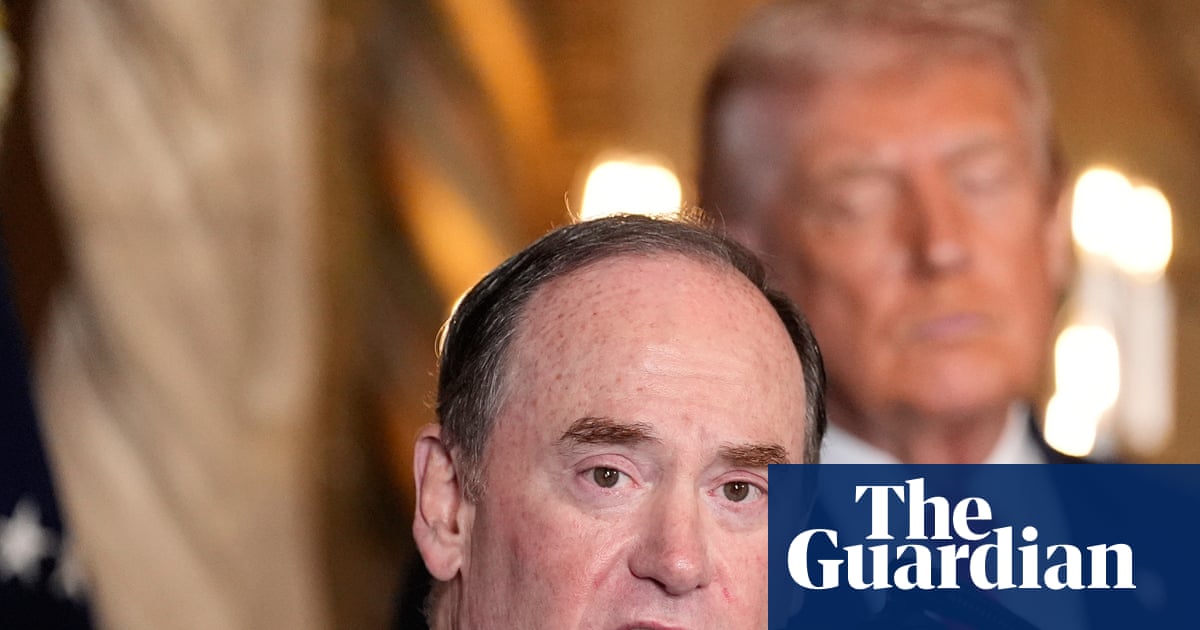
In a move that sends ripples through the highest echelons of American defense, the Pentagon officially announced on Wednesday the departure of John Phelan, the Secretary of the Navy and the service's top civilian official. This significant development comes barely a week after the abrupt dismissal of the Army's top officer, General Pete Hegseth, painting a picture of escalating leadership turmoil within the U.S. military command structure. The rapid succession of these high-profile exits has ignited intense speculation among defense analysts, political observers, and international allies alike, prompting questions about the stability, direction, and internal dynamics of the nation's armed forces.
Sean Parnell, a Pentagon spokesperson, conveyed the news via a statement posted to social media, indicating Phelan was "departing the administration." While the language used was carefully chosen to suggest a voluntary exit, the timing and context—following closely on the heels of another top official's removal—have led many to interpret it as part of a broader, more forceful shake-up. The Department of Defense has yet to offer extensive details regarding the reasons behind Phelan's departure, leaving a vacuum that is quickly being filled by conjecture and concern.
A Pattern of Instability at the Top
The exit of Secretary Phelan is not an isolated incident but appears to be part of a discernible pattern of leadership instability that has characterized the current administration's relationship with its military brass. The firing of General Hegseth, just days prior, sent shockwaves through Washington. Hegseth, a decorated officer with a long and distinguished career, was reportedly dismissed over "policy differences" with the White House, though specifics remain vague. This incident alone raised eyebrows, as such a public and swift removal of a service chief is rare and often signals deep-seated disagreements.
Now, with the Navy's top civilian leader following suit, the narrative shifts from isolated incidents to a potential systemic issue. The roles of the Secretary of the Navy and the Chief of Staff of the Army are critical; they are responsible for the civilian oversight and military readiness of their respective branches, managing vast budgets, personnel, and strategic initiatives. Their sudden departures, particularly in close proximity, suggest a profound disconnect between the political leadership and the military establishment. This kind of churn at the top can have detrimental effects on morale, long-term planning, and the continuity of essential defense programs. Historically, periods of such high-level turnover have often coincided with significant policy shifts or internal power struggles, leaving the armed forces vulnerable to uncertainty.
Implications for National Security and Global Alliances
The United States Navy is a cornerstone of American power projection and global security. Its operations span every ocean, from maintaining freedom of navigation in the South China Sea to deterring aggression in the Middle East and supporting NATO allies in Europe. The leadership vacuum created by Secretary Phelan's departure, even if temporary, can introduce a degree of uncertainty into these critical operations. Allies, who rely on the stability and predictability of U.S. defense policy, will undoubtedly be watching these developments closely.
"This isn't just about personalities; it's about the perceived stability of U.S. command and control," notes Dr. Eleanor Vance, a senior fellow at the Center for Strategic and International Studies. "When you see such rapid turnover at the highest levels, it can create a perception of disarray, which adversaries might seek to exploit and allies might find unsettling. It raises questions about the consistency of policy and the long-term strategic vision." The Navy, in particular, is grappling with complex challenges, including modernization efforts, shipbuilding programs, and maintaining a competitive edge against rising naval powers. A lack of consistent civilian leadership can hinder progress on these fronts, potentially impacting the Navy's readiness and technological superiority.
Furthermore, the timing is particularly sensitive. Geopolitical tensions are high, with ongoing conflicts in Eastern Europe, persistent challenges in the Indo-Pacific, and evolving threats from state and non-state actors. A strong, unified, and stable defense leadership is paramount in such an environment. The absence of a confirmed Secretary of the Navy, coupled with the recent Army leadership change, could be interpreted as a sign of weakness or internal division, potentially emboldening rivals or undermining confidence among partners.
The Search for Successors and the Road Ahead
The immediate challenge for the administration will be to swiftly appoint and confirm suitable replacements for both the Secretary of the Navy and the Chief of Staff of the Army. The confirmation process for such high-ranking positions can be protracted, often involving extensive vetting and congressional hearings. Any delays could prolong the period of uncertainty, further exacerbating concerns about leadership continuity.
Potential candidates for these roles will face intense scrutiny, not only for their qualifications but also for their perceived alignment with the administration's broader defense agenda. The emphasis will likely be on individuals who can quickly restore confidence, articulate a clear vision for their respective services, and ensure the smooth functioning of day-to-day operations while navigating the political landscape of Washington.
Beyond the immediate appointments, these departures prompt a deeper examination of the relationship between political appointees and career military officials. The civilian control of the military is a fundamental principle of American democracy, but its effective implementation relies on a delicate balance of respect, trust, and shared strategic objectives. When this balance is disrupted, as these recent events suggest, it can lead to friction and ultimately impact the efficacy of the defense establishment.
Conclusion: Navigating Turbulent Waters
The departures of Secretary Phelan and General Hegseth represent more than just personnel changes; they signify a period of significant turbulence within the Pentagon. The administration faces the urgent task of stabilizing its defense leadership, reassuring allies, and demonstrating a clear, consistent strategic direction. The coming weeks and months will be critical in determining whether these changes are merely a bump in the road or indicative of deeper, more systemic challenges within the U.S. military's command structure. For an institution as vital as the U.S. armed forces, stability and continuity of leadership are not just desirable; they are essential for national security and global peace. The world will be watching closely as Washington navigates these turbulent waters, hoping for a swift return to steady leadership and a clear path forward for its defense establishment.
Stay Informed
Get the world's most important stories delivered to your inbox.
No spam, unsubscribe anytime.
Comments
No comments yet. Be the first to share your thoughts!