Trump's 'More Bombs' Warning: Escalation Looms as Iran Peace Talks Falter
President Donald Trump has issued a stark warning to Iran, suggesting potential renewed military strikes if ongoing negotiations fail to yield a deal before the current ceasefire expires next week. This aggressive stance signals a perilous escalation in the already tense relationship between Washington and Tehran. The international community watches anxiously as the deadline approaches, fearing a return to open conflict.
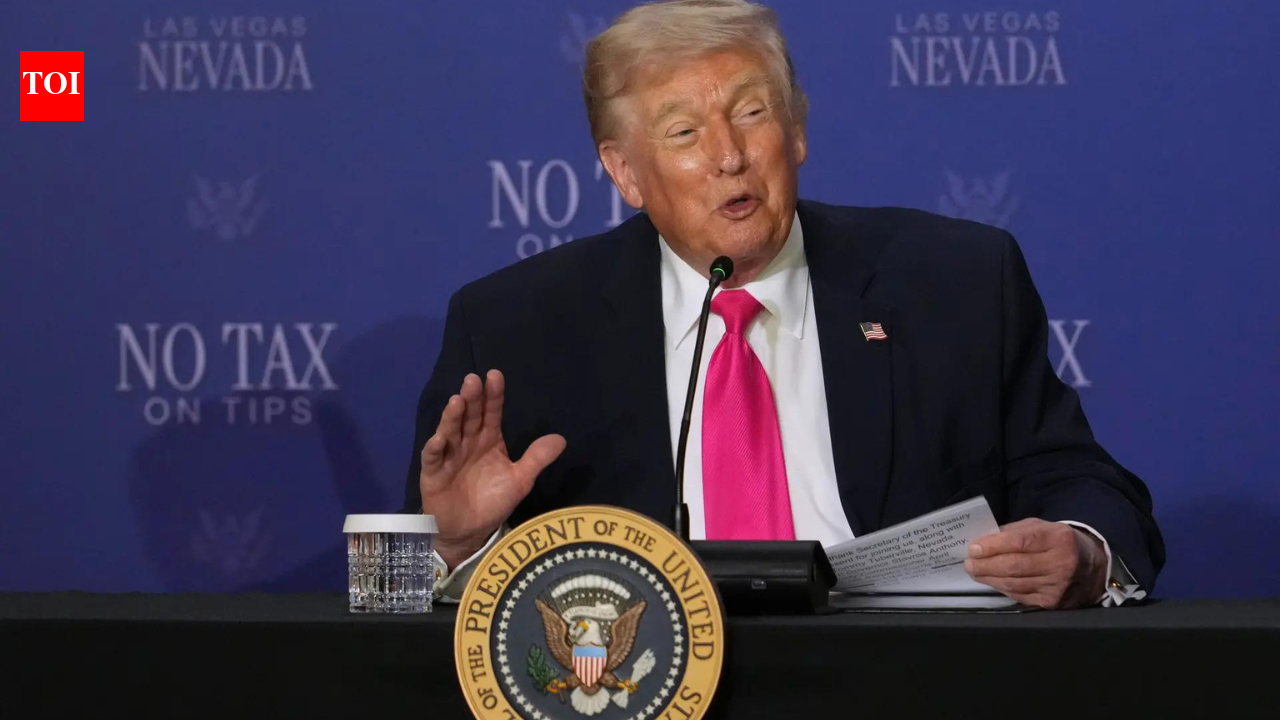
The geopolitical chessboard is once again fraught with peril as US President Donald Trump delivers a chilling ultimatum to Iran: agree to a deal or face the prospect of “more bombs.” This stark warning, issued just days before a critical ceasefire agreement is set to expire, has sent shockwaves through the international community, raising fears of a dramatic escalation in one of the world's most volatile regions. The rhetoric from Washington suggests a rapidly diminishing window for diplomacy, pushing the long-standing animosity between the two nations to a dangerous precipice.
The Looming Deadline and Trump's Belligerent Stance
President Trump's declaration, made to reporters, underscores a significant shift in the administration's approach, moving from cautious diplomacy to overt threats of military action. "If we don't do a deal," Trump stated unequivocally, "they will face more bombs." This direct threat comes as negotiations, aimed at de-escalating tensions and securing a lasting peace, appear to be faltering. The current ceasefire, a fragile agreement brokered after months of sporadic skirmishes and heightened rhetoric, is due to expire next week. Its potential collapse, coupled with Trump's aggressive posture, paints a grim picture for regional stability.
The context of these negotiations is crucial. They were initiated following a series of incidents, including attacks on oil tankers, drone strikes, and the downing of a US surveillance drone, which brought the US and Iran to the brink of war. The ceasefire provided a much-needed, albeit temporary, respite. However, the underlying issues – Iran's nuclear program, its regional influence, and US sanctions – remain unresolved. Trump's latest warning suggests that the patience of the US administration is wearing thin, and it is prepared to abandon diplomatic avenues if its demands are not met.
A History of Hostility: Decades of Distrust
The current crisis is not an isolated event but rather the latest chapter in a long and complex history of animosity between the United States and Iran. The roots of this distrust can be traced back to the 1979 Iranian Revolution, which overthrew the US-backed Shah and established an Islamic Republic vehemently opposed to American influence. The subsequent hostage crisis at the US embassy in Tehran cemented a deep-seated antagonism that has persisted for over four decades.
Key milestones in this fraught relationship include the Iran-Iraq War (1980-1988), where the US covertly supported Iraq; the development of Iran's nuclear program, which led to international sanctions; and the 2015 Joint Comprehensive Plan of Action (JCPOA), or Iran nuclear deal, which aimed to curb Iran's nuclear ambitions in exchange for sanctions relief. President Trump's withdrawal from the JCPOA in 2018, labeling it a "terrible deal," reignited tensions and reimposed crippling sanctions, further isolating Iran and pushing it closer to developing advanced nuclear capabilities.
This historical backdrop is essential for understanding the current impasse. Both sides operate under a heavy burden of past grievances and perceived betrayals. For Iran, the US is an imperialist power seeking to undermine its sovereignty. For the US, Iran is a state sponsor of terrorism and a destabilizing force in the Middle East. This deep-seated mistrust makes any diplomatic breakthrough incredibly challenging, and Trump's recent threats only serve to deepen the chasm.
Expert Analysis: The Risks of Escalation
Security analysts and foreign policy experts are unanimous in their assessment of the extreme risks posed by Trump's latest warning. Dr. Sarah Jenkins, a Middle East expert at the Royal Institute of International Affairs, notes, "The 'more bombs' rhetoric is not just a negotiating tactic; it's a dangerous gamble. It pushes Iran into a corner, potentially forcing them to react in ways that could spiral out of control." She emphasizes that while the US possesses overwhelming military superiority, a direct conflict would be devastating for the entire region, impacting global oil prices, trade routes, and potentially drawing in other regional and international actors.
* Economic Impact: A military confrontation would undoubtedly disrupt global oil supplies, leading to a sharp increase in prices and potentially triggering a global recession. The Strait of Hormuz, a critical chokepoint for a significant portion of the world's oil, would be particularly vulnerable. * Humanitarian Crisis: Any large-scale conflict would result in immense civilian casualties and displacement, exacerbating existing humanitarian crises in the region. * Regional Instability: Neighboring countries, already grappling with internal conflicts and proxy wars, could be drawn into the fray, creating an even wider arc of instability. * Nuclear Proliferation: Pushing Iran to the brink could accelerate its pursuit of nuclear weapons as a deterrent, further complicating international non-proliferation efforts.
Moreover, the effectiveness of such threats as a negotiating tool is highly questionable. History suggests that Iran often responds to external pressure with defiance rather than capitulation. The Iranian leadership, deeply rooted in revolutionary ideology, views resistance as a core tenet of its foreign policy. Therefore, a hardline approach might only strengthen the resolve of hardliners within Iran, making a diplomatic resolution even more elusive.
The Path Forward: Diplomacy or Deterrence?
As the ceasefire deadline approaches, the international community is left to ponder the path forward. Is there still room for diplomacy, or has the rhetoric pushed both sides too far? The European Union, along with other major powers, has consistently advocated for a diplomatic solution, recognizing the catastrophic consequences of military conflict. They have urged both Washington and Tehran to return to the negotiating table with genuine intent to de-escalate.
However, Trump's latest remarks suggest a preference for "maximum pressure" tactics, believing that only overwhelming force or the credible threat of it can compel Iran to yield. This strategy, while popular with some domestic constituencies, risks alienating international allies and pushing adversaries into more extreme positions.
The coming days will be critical. The expiration of the ceasefire, coupled with Trump's explicit warning, sets the stage for a potentially explosive confrontation. Whether reason and diplomacy can still prevail over the drums of war remains to be seen. The world watches with bated breath, hoping that leaders on both sides recognize the profound responsibility they bear in preventing a conflict that could have devastating and far-reaching consequences for generations to come.
Stay Informed
Get the world's most important stories delivered to your inbox.
No spam, unsubscribe anytime.
Comments
No comments yet. Be the first to share your thoughts!